In May 2026, Epiroc published a case study on the construction of the Shimla Bypass Tunnel in the Indian Himalayas. Where conventional blasting was ruled out due to proximity to residential areas, the Epiroc HB 3600 hydraulic breaker delivered steady excavation progress without a single blast. At the same time, Armenia broke ground on its own largest tunnel project — the Kajaran Tunnel on the North–South Highway.
The Himalayas: When Blasting Is Not an Option, Epiroc Steps In
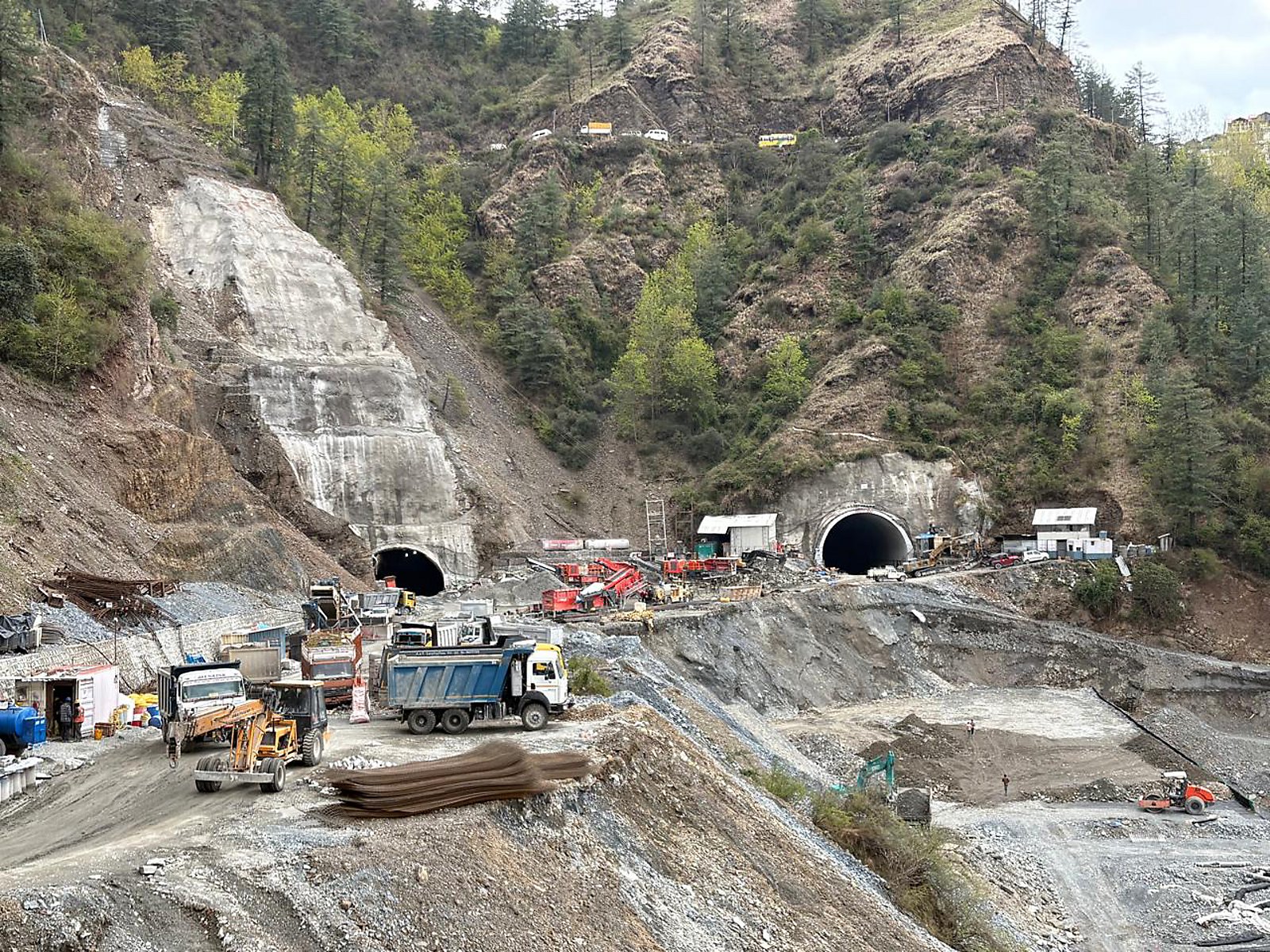
The Shimla Bypass project in the Indian state of Himachal Pradesh comprises 27.4 km of new road with several tunnels driven through complex mountain geology. A number of sections pass close to residential districts of Shimla, where blasting is prohibited due to vibration risks and the proximity of buildings.
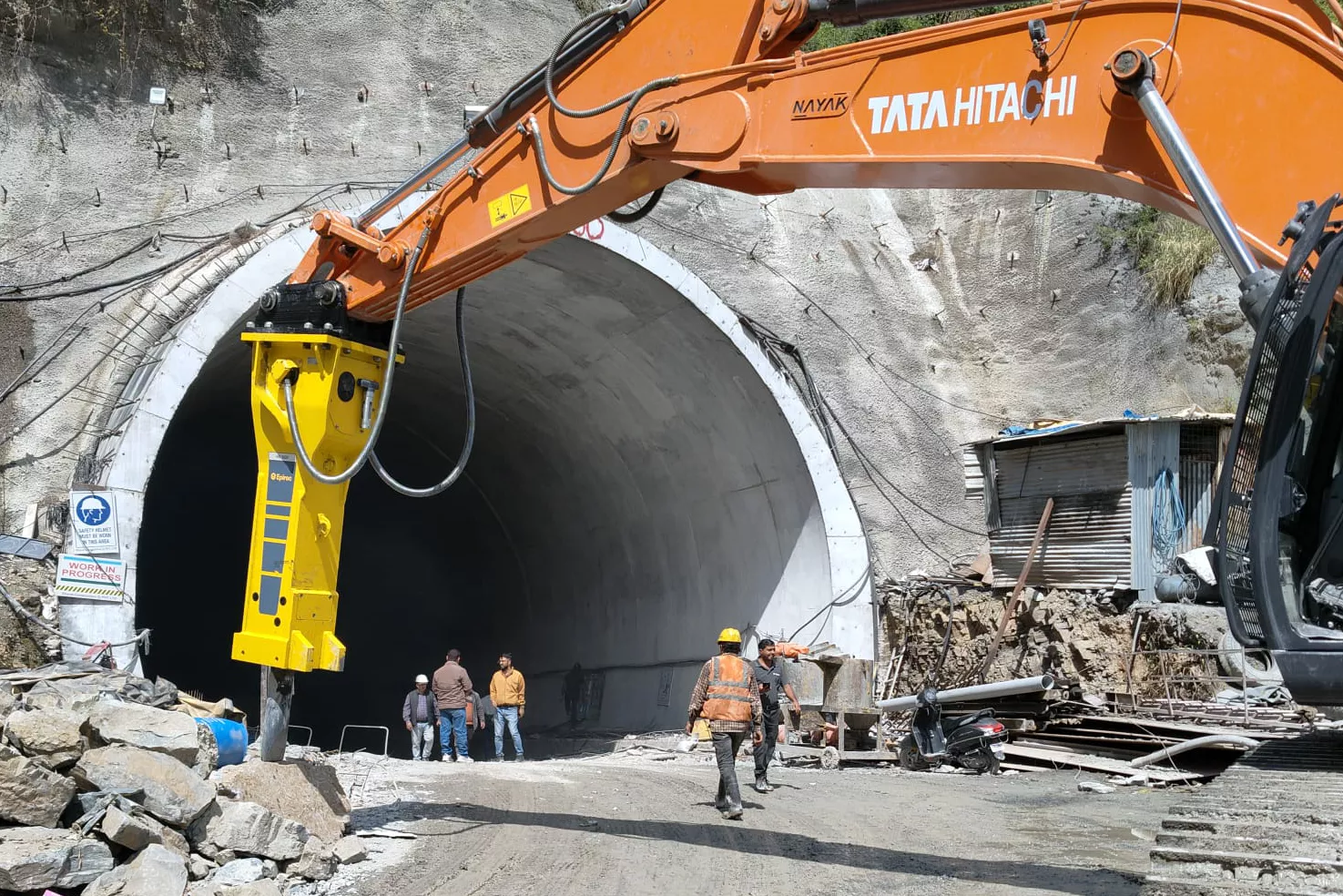
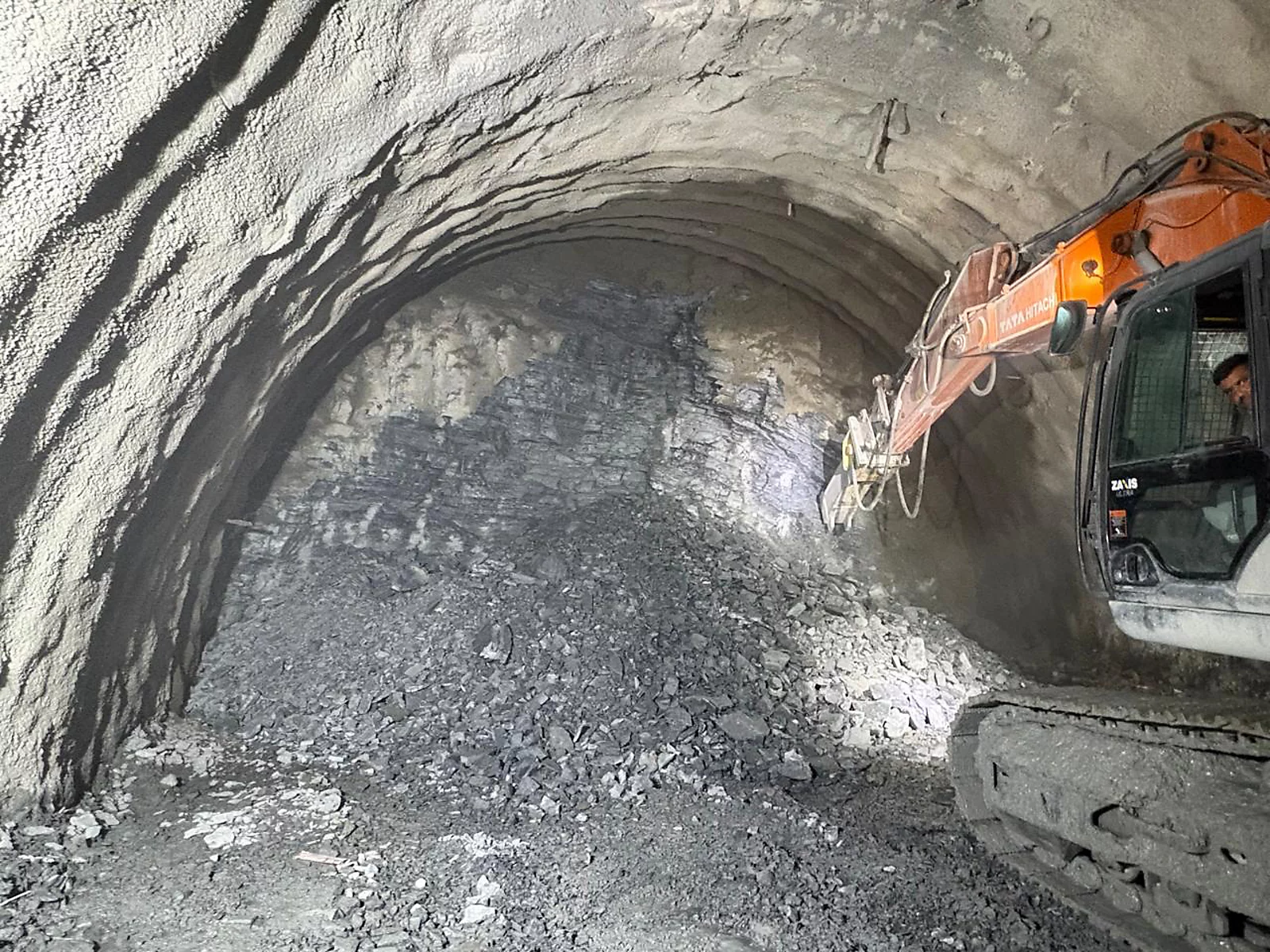
Epiroc proposed an alternative: the HB 3600 hydraulic breaker, weighing 3,600 kg and adapted for underground operation. Epiroc engineers carried out technical modifications to suit tunnel conditions — accounting for restricted clearances, duty cycles and continuous load requirements. Once commissioned, the breaker delivered consistent and precise rock excavation in sections where explosives were ruled out.
Epiroc did not simply supply equipment — the team delivered structured training for the customer's operators and engineering staff, and provided commissioning support. As a result, integration was swift, downtime was minimal, and performance was predictable throughout the full excavation cycle.
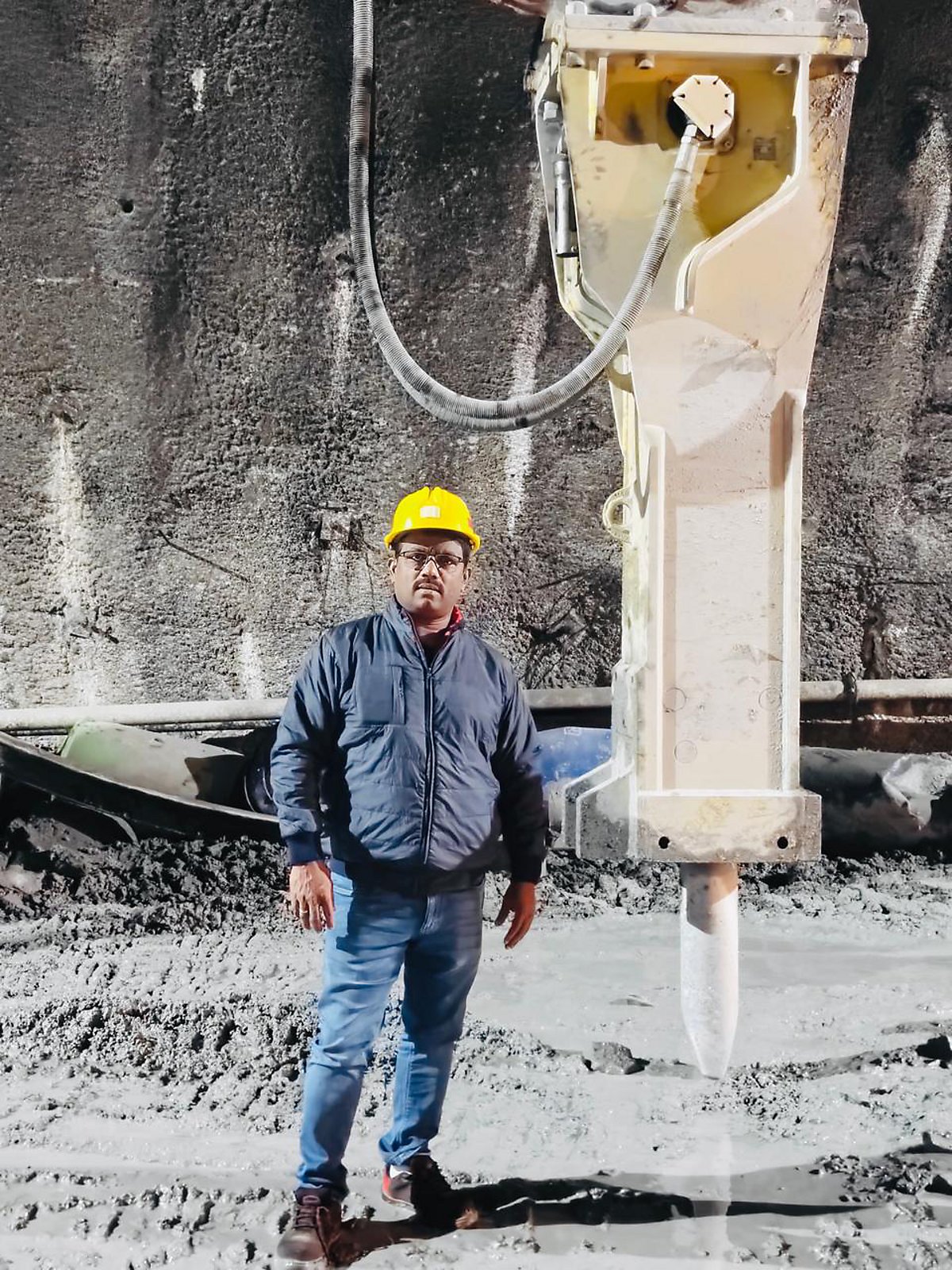
Peter Royston, Business Line Manager — Attachments Division, Epiroc India — at the Shimla Bypass tunnel site
Armenia: Groundbreaking on the Kajaran Tunnel
On 27 June 2026, Armenia held the official groundbreaking ceremony for the Kajaran Tunnel — one of the key structures on the North–South Highway. The ceremony was attended by Armenian Deputy Prime Minister Mher Grigoryan, Minister of Territorial Administration David Khudatyan, and the Vice President of Iran.
The project parameters speak for themselves. The 7.2 km tunnel will pass beneath the Megri Pass at an altitude of 2,535 metres. The pass currently causes severe disruption in winter and adds 14 km to the route. Once open, average speed on the section will rise from 50 to 80 km/h and journey time will be cut by approximately 40 minutes.
The total project cost is approximately USD 395 million, of which USD 200 million is provided by the Eurasian Fund for Stabilization and Development and the remainder is co-financed by the Government of Armenia. Construction is scheduled to take six years. The contractor is the Iranian joint venture of Abat Rahan Pars International Group and Tunnel Sad Ariana.
Epiroc and Tunnelling: Technology Already Working Close By
The experience from the Indian project is directly applicable to Armenian conditions. The Kajaran Tunnel passes through a complex mountain massif with significant elevation changes. On projects of this type, combining conventional NATM drill-and-blast with mechanised hydraulic breaker excavation — particularly in sections with vibration restrictions near populated areas or in zones of unstable geology — has become the global industry standard.
Epiroc offers a complete range of tunnelling solutions — from Boomer face drill rigs for drill-and-blast operations to HB hydraulic breakers for mechanised rock excavation. All of this equipment can be supplied, commissioned and supported throughout its full service life by Wayland Armenia, the authorised Epiroc dealer in Armenia.
Working in Tunnelling or Mining?
Wayland Armenia — authorised Epiroc dealer in Armenia. Supply, spare parts, 24/7 service.
Epiroc Drilling Equipment Request Consultation